Log out as undefined?
This is a journey to the heartland of Canada's "True North," one that transcends the familiar aurora borealis routes of the Yukon or Northwest Territories, leading explorers to the purer, more challenging region of Nunavut – the ancestral homeland of Canada's Inuit. The essence of this journey lies in profound cultural immersion, respectful and responsible interaction with local communities, and the pursuit of unique wildlife amidst an extreme yet magnificent Arctic natural environment. This is no leisurely sightseeing trip; it demands meticulous planning, a substantial budget, and a heart filled with awe and a willingness to learn. You will experience a world forged by ice and snow, ancient in culture, yet vibrantly alive.
Suggested Travel Season:
Summer (June to August): Ideal for experiencing the midnight sun, hiking, and boat tours for marine wildlife viewing (e.g., seals, whales). Temperatures are relatively mild.
Winter/Early Spring (February to April): Perfect for dog sledding, snowmobiling, ice fishing, and Northern Lights viewing. The land is snow-covered and expansive.
Autumn (September to October): Weather begins to cool, offering chances to see the Northern Lights and a period of activity for some wildlife.
Daily Itinerary: Fly from major southern Canadian cities such as Ottawa (YOW), Montreal (YUL), Winnipeg (YWG), or Edmonton (YEG) to Iqaluit (YFB airport), the capital of Nunavut. Flight times are typically long, so be prepared. Upon arrival, take a local taxi to your pre-booked hotel. Iqaluit, as Nunavut's political and administrative center, is relatively small but well-equipped. Rest at the hotel and gradually acclimatize to the unique Arctic environment, climate, and potential time difference (especially the midnight sun in summer or polar night in winter).
Highlights: Experiencing the unique journey to the remote Arctic, getting an initial feel for Nunavut's capital, and acclimatizing to the polar environment.
Daily Itinerary: Dedicate the full day to exploring the town of Iqaluit. Begin with a visit to the uniquely designed Legislative Assembly of Nunavut to learn about local governance. Next, head to the Nunatta Sunakkutaangit Museum, which houses and exhibits a rich collection of Inuit historical artifacts, traditional art, and contemporary cultural works – an important window into Inuit culture. In the afternoon, browse local craft shops, admiring and perhaps purchasing exquisite Inuit stone carvings, bone carvings, prints, and textiles. Finally, visit the Parks Canada Visitor Centre to get the latest information on the surrounding natural environment, national parks, and available outdoor activities.
Highlights: Gaining insight into Nunavut's political center, immersing in the world of Inuit art and culture, and gathering information for upcoming outdoor activities.
Suggested Season: Year-round.
Daily Itinerary (Two days): The core of these two days involves participating in outdoor activities appropriate for the current season, arranged through pre-booked local licensed tour operators or experienced Inuit guides. This is key to exploring Nunavut's outdoors safely and responsibly.
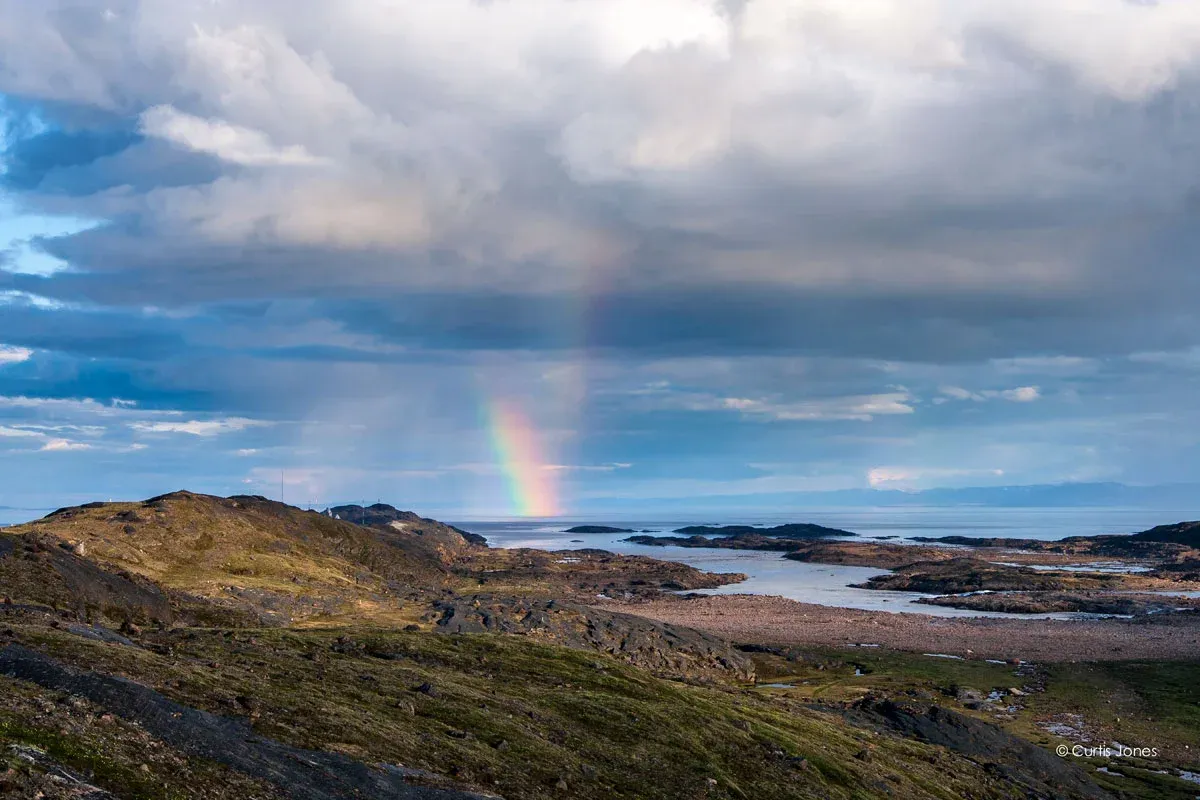
Summer Options: Hike in Sylvia Grinnell Territorial Park near Iqaluit, enjoying magnificent tundra landscapes, river canyons, and waterfalls. Alternatively, take a boat trip to spot seals, seabirds, and potentially beluga whales or other whale species.
Winter/Early Spring Options: Experience traditional Inuit transportation – dog sledding – or ride a snowmobile across the vast, snow-covered terrain. Try ice fishing on a frozen lake or bay.
Experienced guides will arrange the most suitable and rewarding activities based on real-time weather, ice/snow conditions, and safety assessments.
Highlights: Safely experiencing unique Arctic outdoor activities under professional guidance, whether it's summer tundra hiking and marine ecology or winter snow adventures and traditional experiences.
Suggested Season: Summer (June-Aug) for hiking and boat trips; Winter/Early Spring (Feb-Apr) for snow activities. Guide services must be booked months in advance.
This part of the itinerary is the most challenging and expensive, requiring extensive advance planning, a significant budget, and is strongly recommended to be arranged through professional Arctic expedition companies.
Option A (Community Visit):
Daily Itinerary (Two days, including flights): Take a small aircraft to other Nunavut communities, such as Pangnirtung (famous for its spectacular Auyuittuq National Park fiords and art centre) or Kinngait / Cape Dorset (renowned as the "Inuit art capital of the world"). Visiting these remote communities requires prior communication, permission, and confirmation through official channels (e.g., local community councils, tourism organizations) that your visit is welcomed and aligns with community interests. Engage in deeper cultural experiences (e.g., interacting with artists, participating in community events) and unique nature explorations under local guidance.
Option B (Wilderness Expedition):
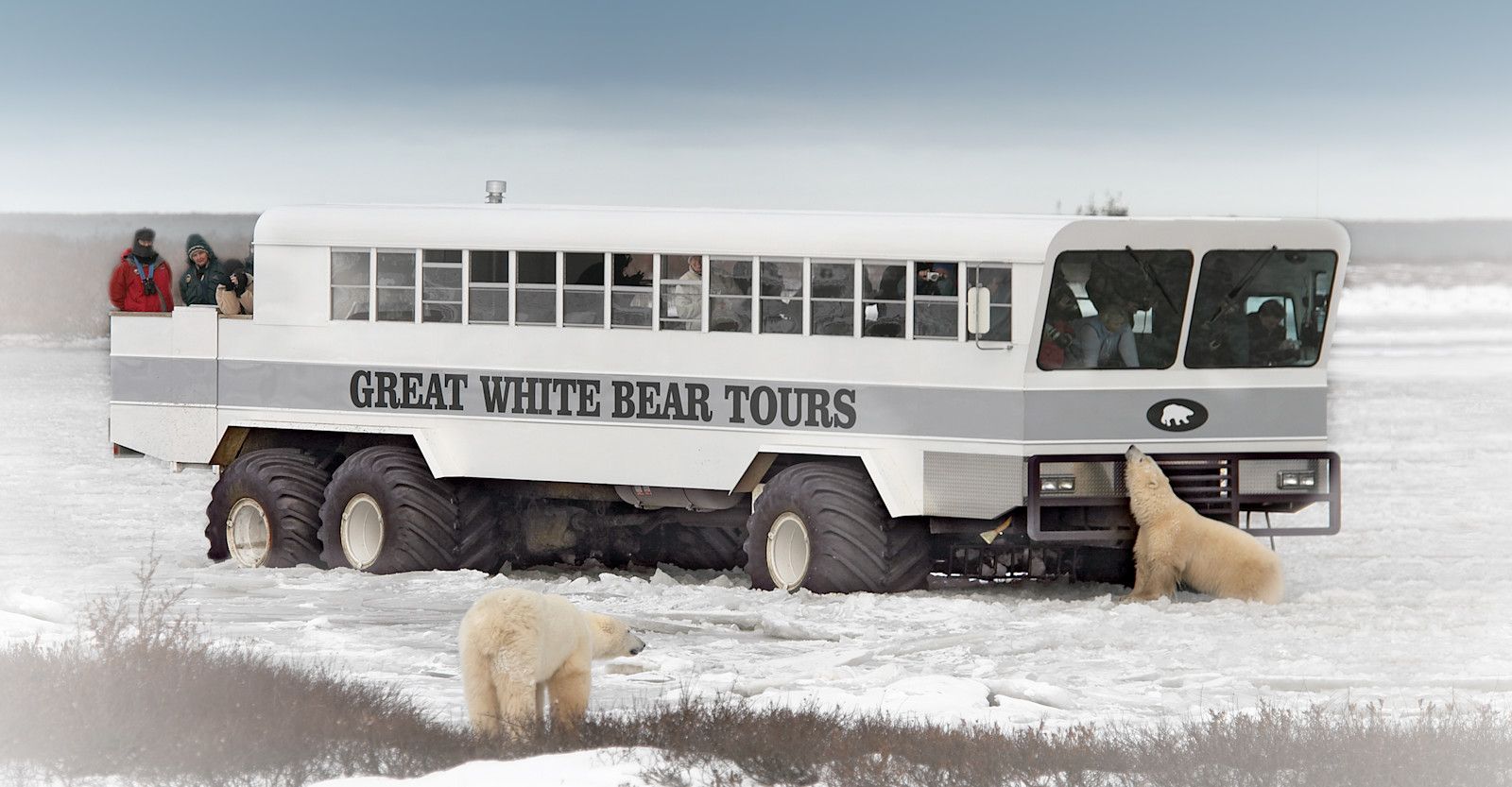
Daily Itinerary (Two days or longer): Participate in a multi-day Arctic wilderness expedition organized by a professional adventure company. This could involve setting up base camps in remote areas, undertaking longer snowmobile or dog sledding journeys, venturing deep into uninhabited regions to search for wildlife like polar bears and muskoxen, or exploring unique glaciers, fiords, and other natural landscapes. Such activities demand a high level of physical fitness, adaptability, and specialized gear from participants, and must be led by highly qualified polar expedition guides.
Highlights: Ultimate Arctic experiences, deeper engagement with more traditional Inuit culture, or challenging wilderness survival and exploration.
Suggested Season: Varies depending on specific community accessibility and expedition type. Requires extremely early planning and booking
Daily Itinerary: If you chose to visit other communities, fly back to Iqaluit today. If visiting during the autumn/winter season (approx. September to April) and the sky is clear, attempt to observe the magnificent Northern Lights away from town light pollution. Nunavut's pristine night sky offers spectacular aurora displays. Use the remaining time to pack, perhaps revisit craft shops for last-minute souvenirs, and reflect on this unique and extraordinary Arctic journey.
Highlights: A chance to witness the Northern Lights under a pristine night sky (seasonal), providing a memorable end to the Arctic adventure.
Suggested Season: Best Northern Lights viewing is during autumn/winter nights.
Daily Itinerary: Depending on your flight schedule, depart from Iqaluit Airport (YFB) back to Ottawa, Montreal, or other southern Canadian cities, then connect for your onward journey or departure from Canada.
Highlights: Concluding the ultimate expedition with profound memories and a deep respect for the Arctic.
A journey to Nunavut is a profound experience for the body, mind, and soul. It will challenge your limits, broaden your horizons, and instill a deep sense of awe and connection with this ice-covered land and its resilient people. This is more than just a trip; it's a lifelong adventure and learning experience.